Wheat

Vegetables need consistent nutrition for quality and yield.

Atlas fertilizers supply the balanced organics and minerals that support vigorous roots, steady growth, and the premium colour and size markets reward.

Wheat performs best in living, well-fed soil. Atlas’ combined organics and minerals support strong tillering, healthy roots, and even growth across the field.

Organic Base
Slow Release
Balanced Nutrition
Climate Smart
Low Salt Index
15+ Nutrients

Fertilizer That Builds Soil While It Feeds Crops

Most conventional fertilizers give your crops a quick burst of nutrients, then wash away or lock up in the soil. Over time, this depletes soil life, forcing you to use more fertilizer just to maintain yields.

Atlas fortified organic fertilizers reverse this cycle. They feed your soil first – rebuilding organic carbon, activating microbes, and releasing nutrients steadily throughout the season. The result: healthier soil, stronger plants, and improving yields season after season.

For wheat farmers, consistent stands and quality grain start below ground. Atlas fertilizers combine organics and minerals to drive strong tillering, deep roots, and the even nutrition your crop needs for uniform heads and high test weight.

Why Farmers Choose Atlas

Fertilizer That Delivers Season After Season

Higher
Yields

Steady nutrition that translates into bigger harvests.

Healthier
Soil

Builds organic matter instead of depleting it.

Resilient
Crops

Stronger roots, less stress in dry or cold spells.

Safe for
Sensitive Crops

Low burn risk with chloride-free blends.

Balanced
Nutrition

Complete NPK plus sulphur and trace elements.

Fertilizers For Wheat Growers

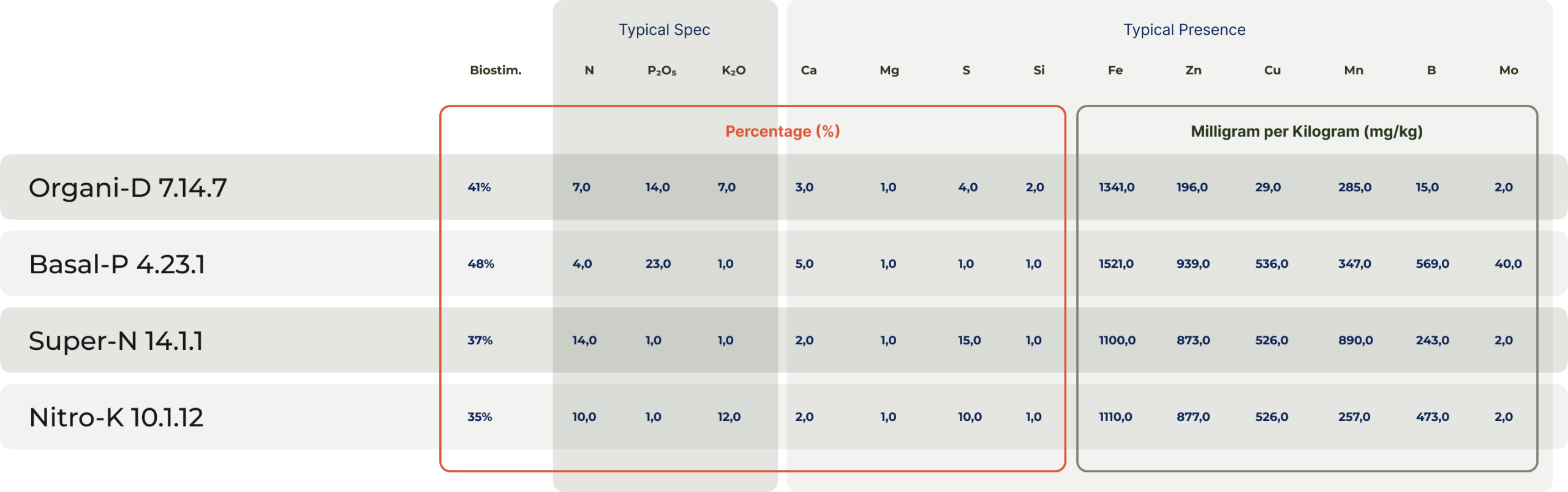
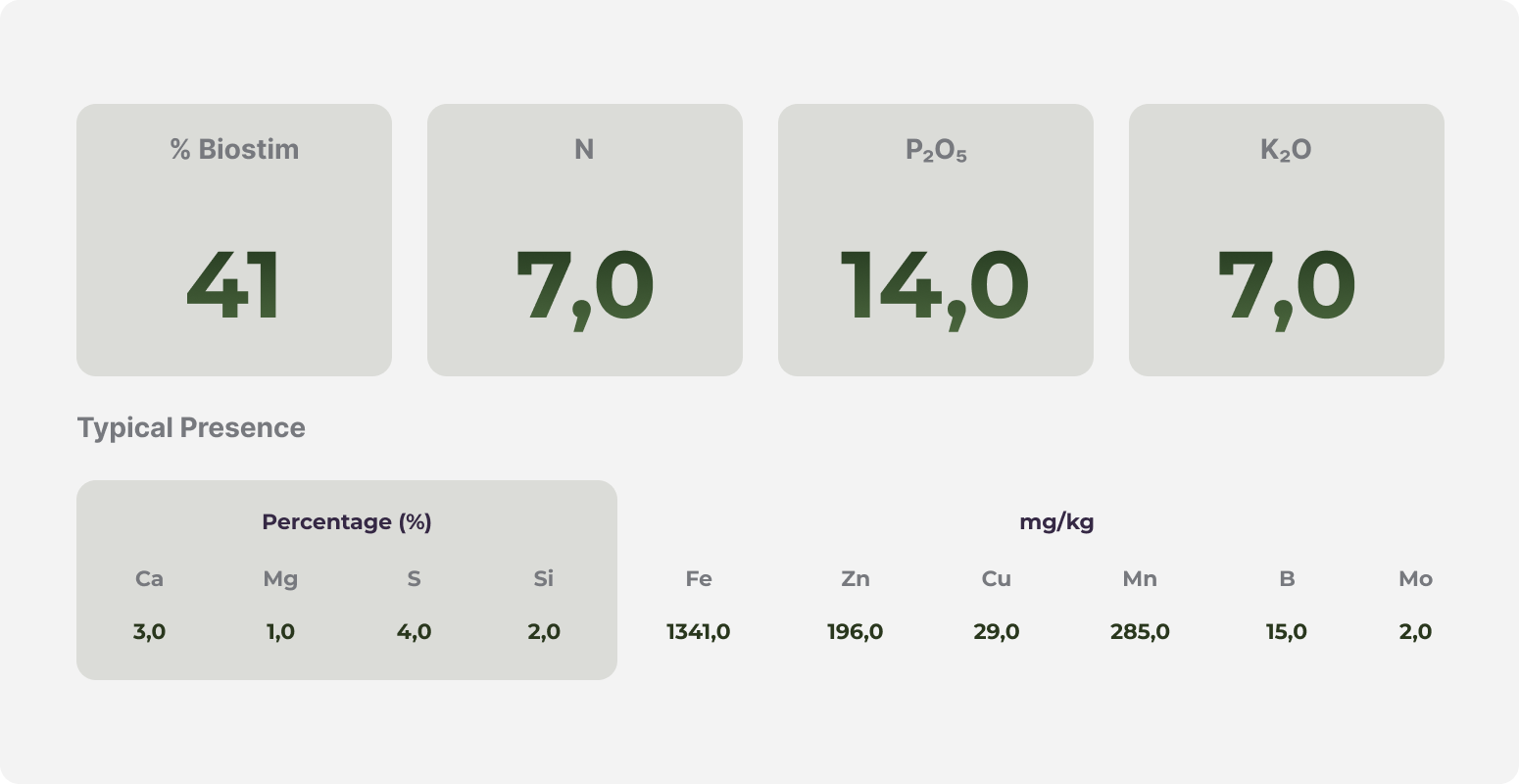
Organi-D 7.14.7
Basal Blend | Product Specifications: 50kg bag – powder or pelletised form.
A proven performer with an organic edge.

Organi-D delivers the same dependable nutrition as Compound D, but with more to offer. Its fortified organic base feeds the crop while building healthier soil, combining balanced NPK, added micro-elements, and slow-release organics for steady nutrition through every growth stage. Designed for wheat, Organi-D promotes strong rooting, healthy tillering, and even stand establishment for fuller heads and consistent yields.

Benefits:
  • Farmers’ notice: stronger roots, better tillering, even stand
  • Dual action: feeds today’s crop while rebuilding soil for next season
  • Slow-release formula: nutrients stay available longer, reducing waste and leaching
  • Soil health: supports active soil life for better structure and nutrient uptake
  • Low burn risk: organically buffered, low-salt formulation safe for delicate growth stages
How to Apply:
  • Bandplace or broadcast to achieve Phosphate targets.
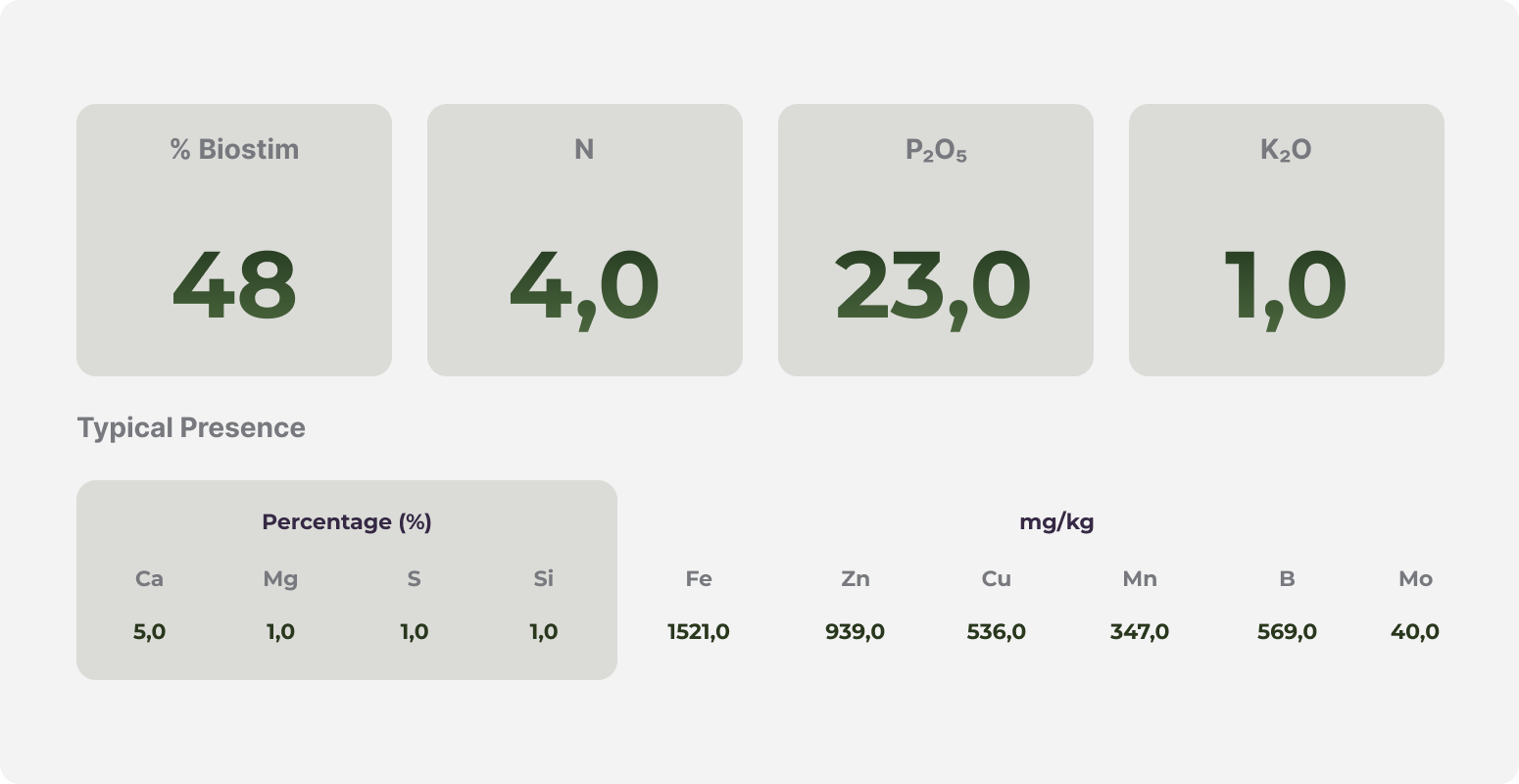
Basal-P 4.23.1
Basal Blend | Product Specifications: 50kg bag – powder or pelletised form.
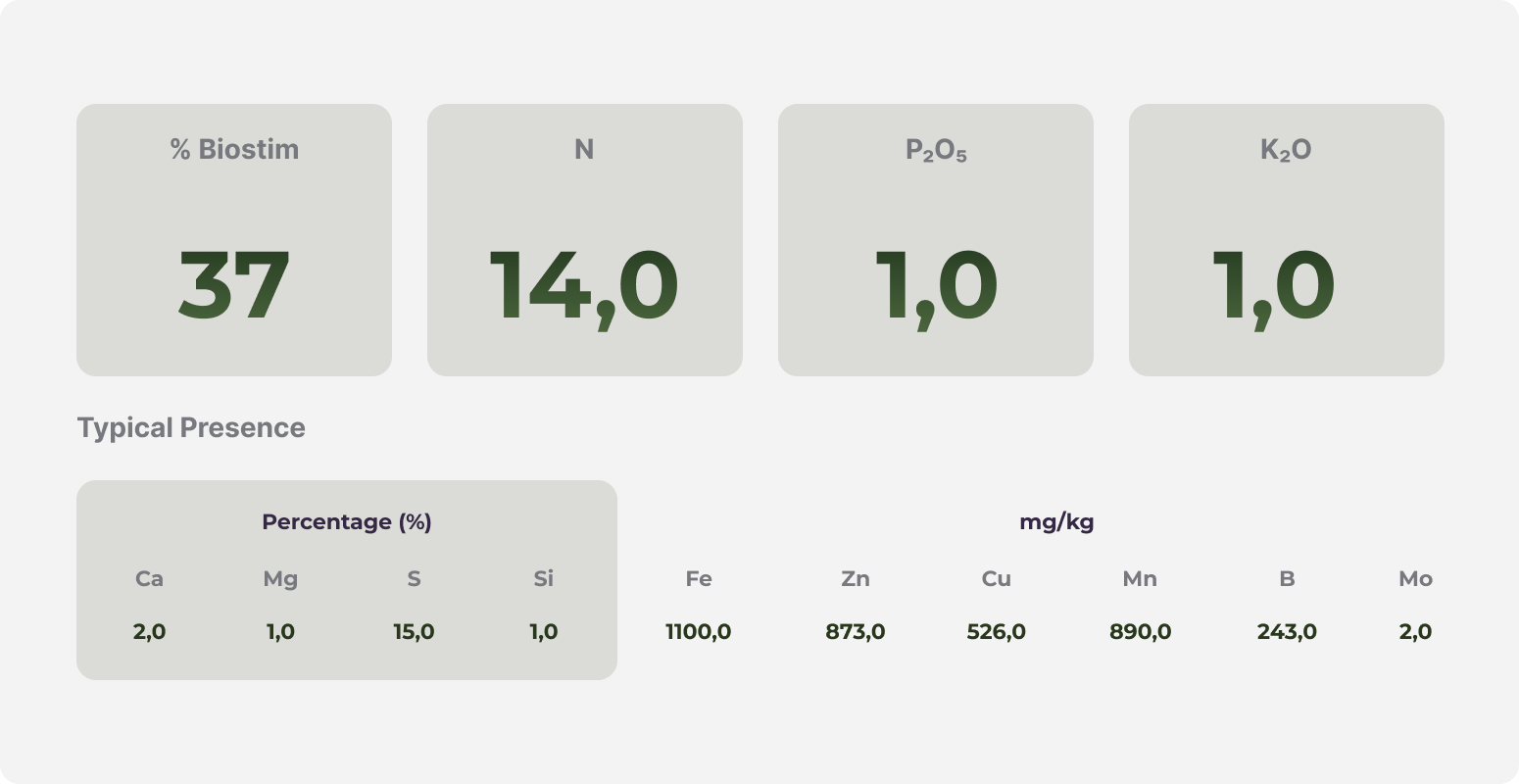
Super-N 14.1.1
Topdress Blend | Product Specifications: 50kg bag – powder or pelletised form.
Nitro-K 10.1.12
Topdress Blend | Product Specifications: 50kg bag – powder or pelletised form.
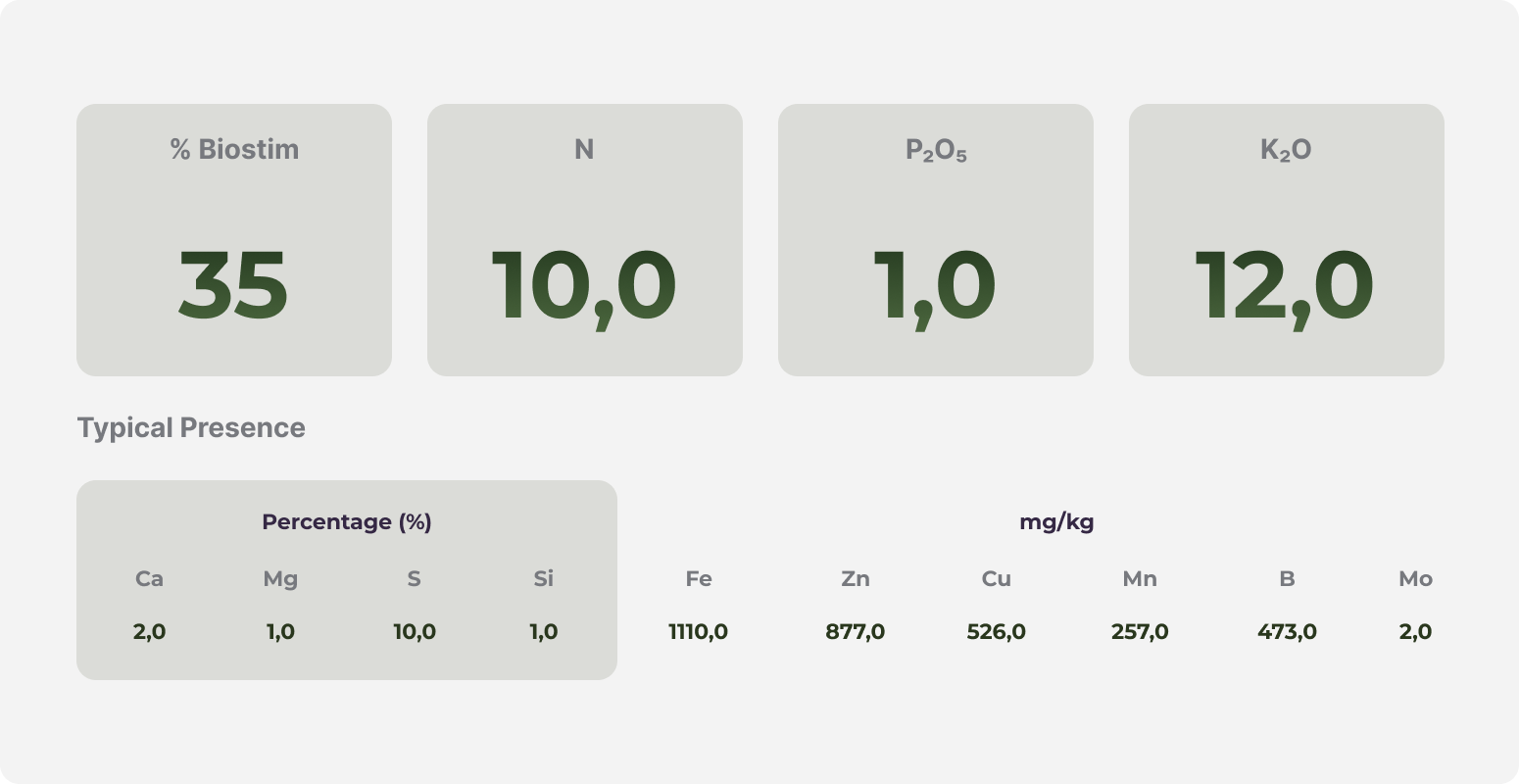
Technical Specifications Summary

Field-tested Insights

Practical advice from Atlas agronomists on soil health, crop nutrition, and sustainable growing practices that deliver results across diverse growing conditions.

Soil Health
Putting Life Back Into Your Soil
South African commercial agriculture operates at a demanding intersection of climatic uncertainty and economic volatility. For today's farmers, the margin for error has eroded to near non-existence.
Soil Health
Less Soil on the Tyre. Healthier Soil in the Field.
In South African commercial agriculture, operational efficiency is directly tied to profitability. Every tractor pass across a paddock comes with a clear financial cost; fuel, operator hours, and mechanical wear and tear; alongside a hidden agronomic cost: soil compaction.
Soil Health
Living Soil. Healthy Crops.
True agricultural yield is built from the ground up. For decades, modern farming practices have treated soil as an inert medium; a physical anchor to be flooded with synthetic chemical fertilizers. However, feeding the plant while neglecting the subterranean ecosystem eventually degrades soil structure, leading to hardpan conditions, poor water holding capacity, and declining nutrient efficiency.
Scroll to Top